
Local Manufacturing in Medical Injection Molding: How Integrated Systems Drive Growth
By Thomas Bontempi, VP Medical Business Line, Husky Technologies™
Medical injection molding is growing steadily as worldwide demand for medical devices increases. Industry observers project compounded annual growth of greater than 10% across medical device sectors, with new opportunities emerging in markets around the world.
What Is Driving Growth in Medical Injection Molding?
The rising prevalence of chronic disease and an aging population are the primary market drivers. Emerging economies with higher GDPs are also increasing healthcare expenditures. The expansion of diagnostic testing and vaccination programs has spurred further growth in lab consumables. Among the highest-growth opportunities are pipette tips and blood collection tubes, where integrated manufacturing approaches deliver high levels of certainty, scalability, and speed to market.
WHY LOCAL MANUFACTURING MATTERS FOR MEDICAL DEVICE PRODUCERS
Rising global demand has exposed a critical vulnerability: 85% of the world's countries rely on imports of medical devices and components. This supply imbalance has raised serious concerns about worldwide shortages of essential medical products. In response, political and governmental initiatives around the world have made local supply chains a top priority.
According to McKinsey & Co., more than 90% of medtech multinational companies (MNCs) expect greater localization in the industry following the outbreak. Approximately 60% of medtech MNCs believe local manufacturing will be favorable for business success. For both established players and new entrants, the conditions present significant commercial opportunity.
Which Medical Injection Molding Applications Have the Highest Growth Potential?
Pipette tips, blood collection tubes, and pre-filled syringes have emerged as the highest-growth opportunities in medical injection molding. Selecting the right application means balancing risk against opportunity. A sound evaluation weighs complexity and risk level against production volume and payback speed. Here is a closer look at each.
Blood Collection Tubes
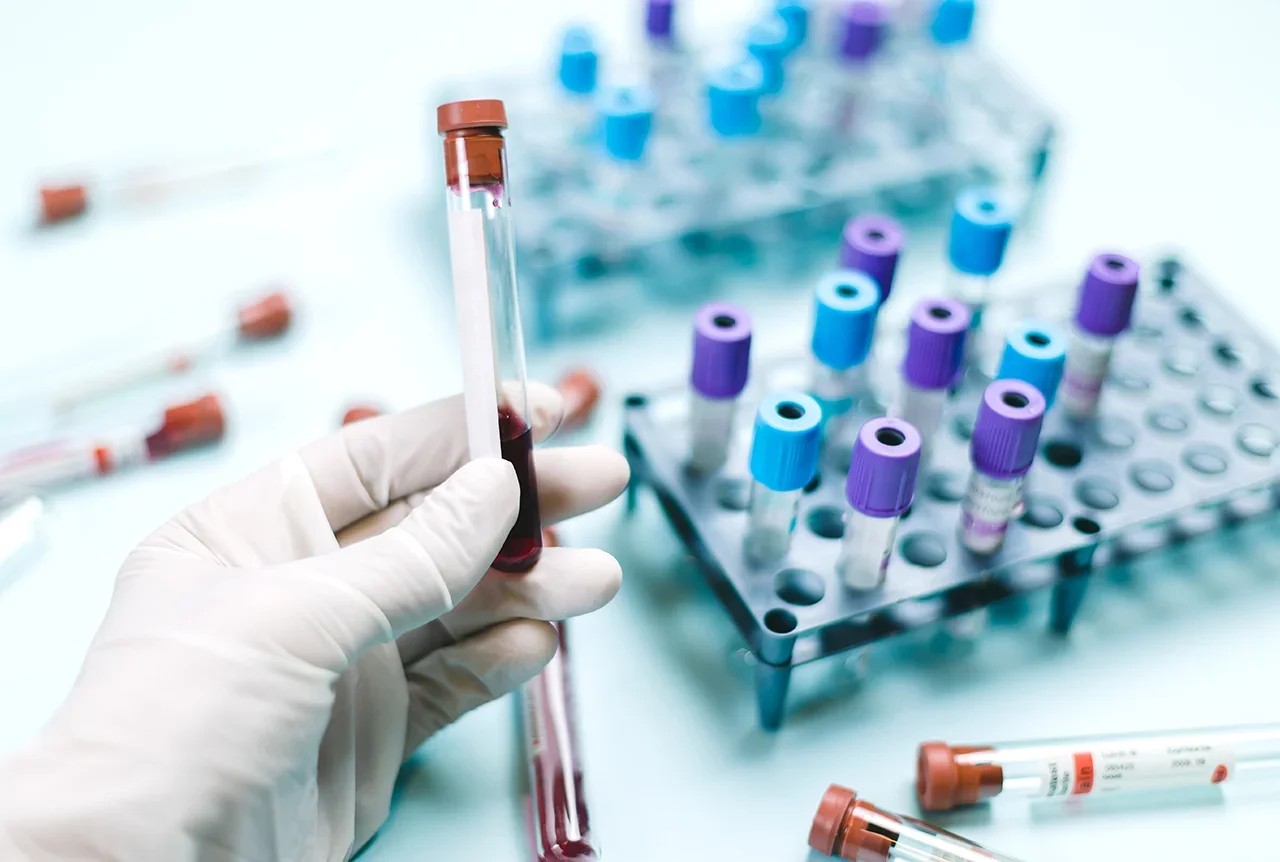
Blood collection tubes have seen dramatic growth due to rising demand for diagnostic testing. A typical blood collection tube consists of a PET tube, an HDPE closure, and a rubber stopper, delivered ready to use for specific sample analysis with features including labels, vacuum sealing to draw a specific volume, and pre-filled reagents. Key design requirements include:
- Dimensional accuracy
- Transparency
- Oxygen permeability
- Vacuum maintenance
- Water vapor permeability
- Gate quality
Pipette Tips
Pipette tips, which dispense medical fluids and liquids, are a high-volume application projected to see a 9.7% compounded annual growth rate (CAGR) through 2025. Growth is fueled by nationalization trends and sustained demand for quality parts. Critical quality criteria include:
- Dimensional tolerances
- Part filling (especially below 0.5-mm wall thickness)
- Concentricity
- Inside and outside flash
- Insert split line positioning
Pre-filled Syringes
Pre-filled syringes have emerged as one of the fastest-growing formats for unit dose medication, driven by increasing adoption of self-care devices and heightened demand for safety in injectables. Plastic is now the preferred material over glass: it is more break-resistant and can be manufactured to specific sizes, inner diameters, and finger flange designs while maintaining tight tolerances throughout production.
How Integrated Injection Molding Systems Reduce Risk and Speed Up Production
To meet the demands of high-volume medical applications, processors and OEMs are moving toward integrated manufacturing systems that deliver better quality, eliminate artificial barriers between suppliers, and reduce time to market. Assembling a production line from separate suppliers introduces complexity, extends timelines, and creates gaps in accountability. Integrated solutions offer precision and repeatability in high-cavitation manufacturing processes, bringing validated medical parts to market at high speeds and volumes while minimizing waste.
The goal is to bring together the subcomponents of the injection molding system so they function not simply as integrated components but as a purpose-built system.
Husky Solutions Including System & Schöttli Medical Molds: A Single-Source Integrated System
Husky Technologies™ has translated its extensive experience in turnkey packaging systems into the medical segment. Husky injection molding machinery, hot runners, controllers, and auxiliaries work alongside Schöttli Medical Molds' precision mold design and moldmaking to deliver high-volume integrated systems for applications including pipette tips, blood collection tubes, and pre-filled syringes. The result is a total system solution with single-source responsibility, configured specifically for each application.
The following examples show how this approach is configured for two of the highest-growth medical applications:
Integrated Work Cell for Pipette Tips
For pipette tip production, a typical fully integrated work cell for a two- to 128-cavity application incorporates Husky injection machinery and Schöttli medical molds, along with automation equipment such as racking, vision control, filter assembly, packing, and sterilization from third-party suppliers.
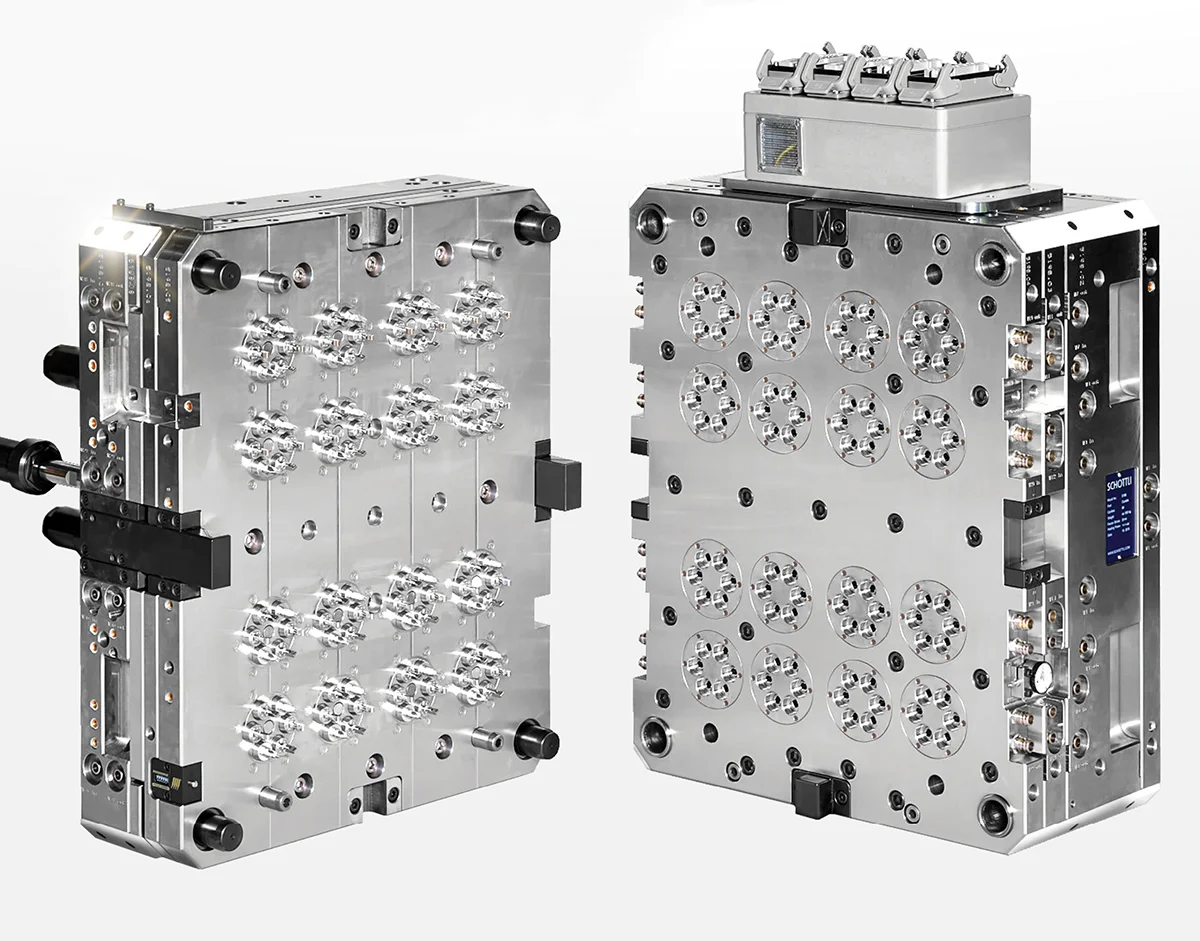
The Schöttli medical molds feature a compact design for high cavitation, built around an eight-cavity cluster concept. It also includes star nozzle hot runner technology, component accessibility from main parting lines, and highly efficient cooling for faster cycles. Concentricity and quality are achieved through adjustable cores and mold design. An estimated cycle time of 4.9 seconds is achievable for a 200 μL pipette tip.
Integrated Work Cell for Blood Collection Tubes
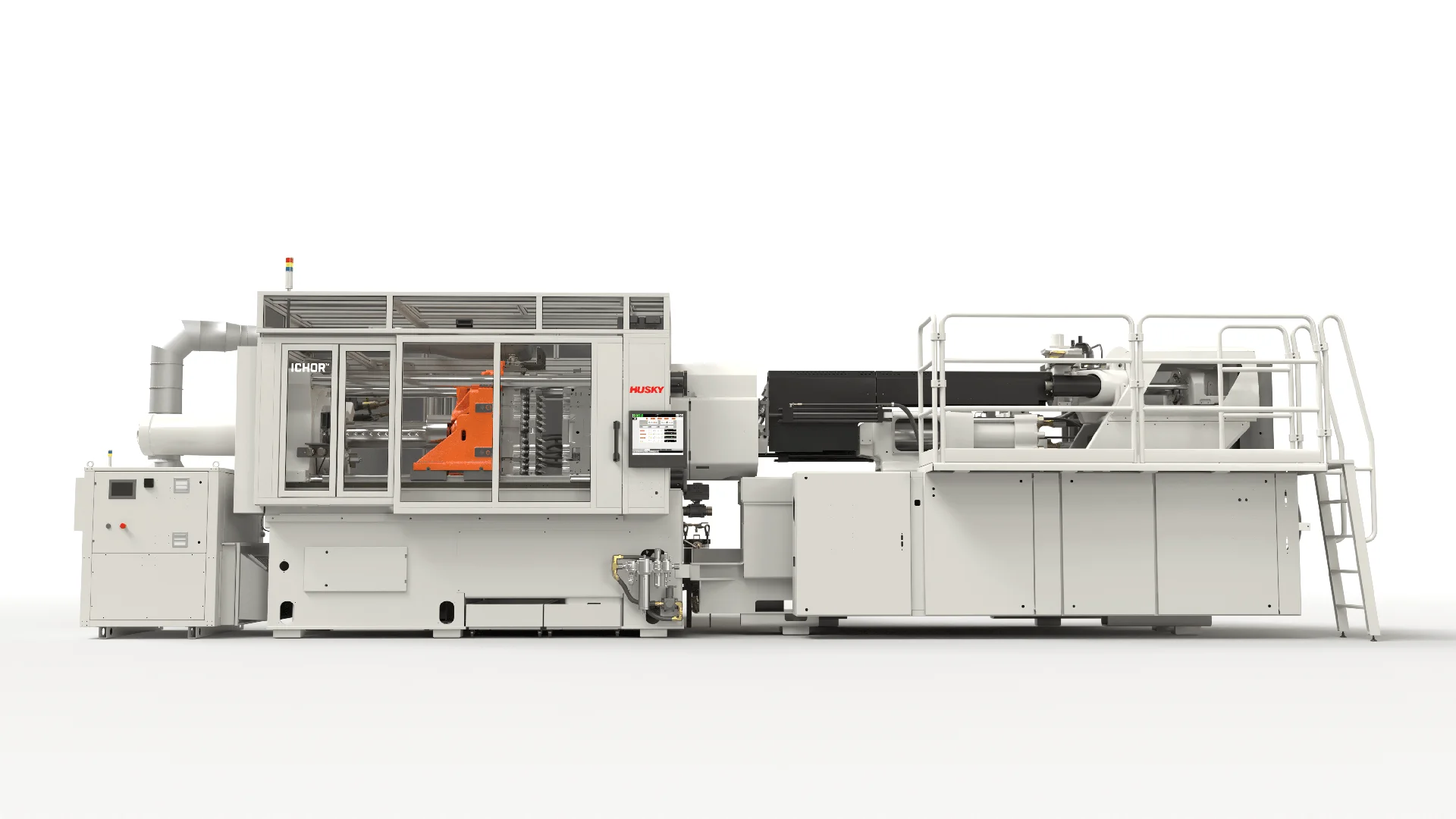
For blood collection tube production, Husky's Ichor integrated system is based on a proven PET platform and provides high performance, low risk, and fast time to market. The work cell includes:
- Injection machine
- Hot runner
- Auxiliaries
- Altanium® Controller
- Cold-half mold
It delivers a 5.4-second cycle time and 97% overall system efficiency. Various levels of integration are possible, with downstream automation including takeout devices, inspection, labeling, and packing. Typical integrated systems operate in ISO Class 8-9 cleanrooms and incorporate downstream automation from third-party suppliers.
Remote Monitoring with Husky Advantage+Elite™
All Husky integrated systems include Husky Advantage+Elite™, a proactive and predictive remote monitoring service troubleshooting capability that enables early detection and traceability. The service analyzes the operating system and traces variation down to the subsystem and hardware component level. This capability is made possible by Husky's comprehensive understanding of every element within the integrated solution.
Expanding High-Volume Medical Manufacturing Globally
The ICHOR™ integrated medical system is supporting local production in markets around the world, including:
- In India, CML Biotech Limited adopted the ICHOR™ system to manufacture blood collection tubes locally, optimizing cycle times and improving overall efficiency. Watch the CML Biotech case study.
- Elsewhere in India, Kriya Medical Technologies deployed the ICHOR™ system to establish high-capacity, local production of vacuum blood collection tubes at its Chennai facility, meeting rigorous regulatory standards. Watch the Kriya Medical Technologies case study.
- In Türkiye, SEM Plastik's SEM Biotech division implemented the system to expand regional device capacity under its Vacusem brand, building a high-volume production line capable of producing 500 million tubes annually for local and export markets. Read more about SEM Biotech producing with ICHOR™.
What Manufacturers Need to Consider Before Entering Medical Injection Molding
As processors and end users look to capitalize on emerging business opportunities, the case for local manufacturing remains clear. Reliance on imports creates vulnerability. Local manufacturing reduces that risk. Integrated and turnkey production systems are expected to play a central role as processors and OEMs seek to scale up operations efficiently and bring end products to market quickly, with the technical expertise and know-how to do it right.