
Plastic Injection Mold Maintenance for rPET Processing: How Advanced Hot Runner Tech is Key to Success
More manufacturers are adopting recycled PET (rPET) to meet sustainability demands, making mold maintenance more challenging than ever. Faster production cycles and higher recycled content levels are driving the need for maintenance solutions that can keep pace with modern manufacturing requirements.
In this article, we'll take a closer look at how hot runner technologies and automated cleaning systems are transforming mold maintenance, enabling manufacturers to process more rPET while reducing downtime and labor costs.
What is plastic injection mold maintenance?
Plastic injection mold maintenance is the systematic cleaning, inspection, and upkeep of injection molding tools, ensuring consistent part quality and minimizing production downtime.
Effective maintenance is essential for competitive manufacturing, and it's especially critical when processing recycled PET (rPET), which generates more dust, gas, and powder due to residual contaminants from the recycling process.
Traditional maintenance methods require 2 to 6 hours of downtime and skilled personnel to manually clean mold components. As cycle times shrink and production speeds increase, molds create dust faster. This makes frequent maintenance necessary, and efficient solutions are essential for competitive manufacturing.
How do hot runners minimize mold maintenance requirements?
Hot runners minimize maintenance by using heated manifold systems to deliver molten plastic directly to each cavity, eliminating the cold runner system that typically generates waste and requires frequent cleaning.
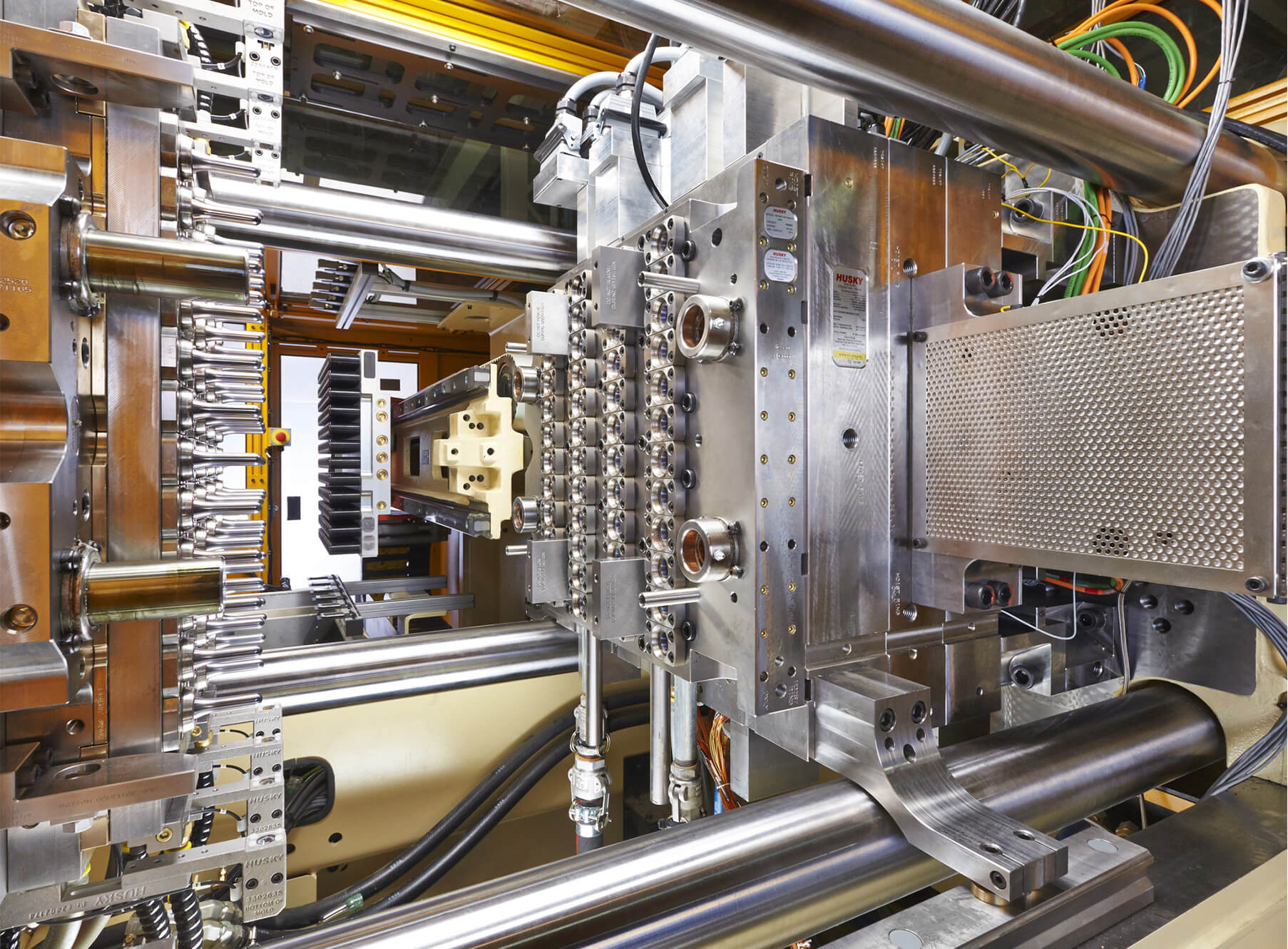
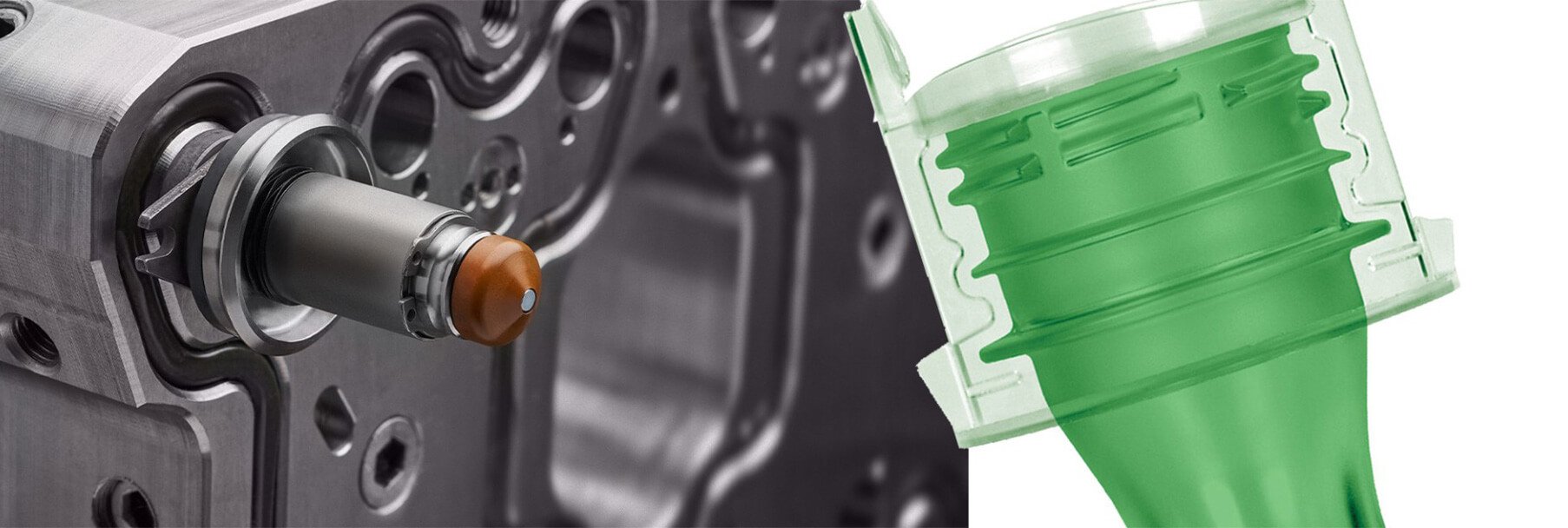
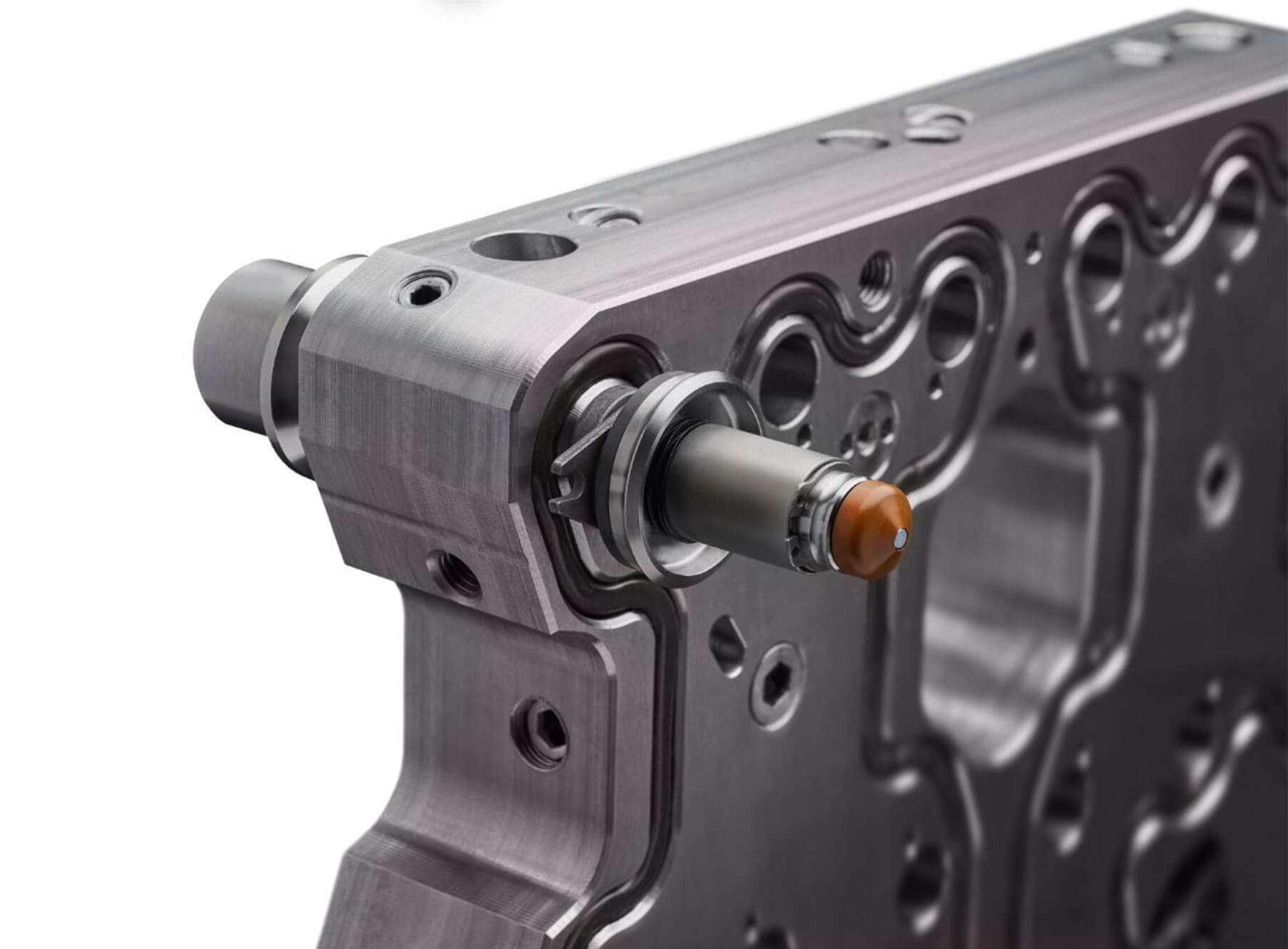
Advanced hot runner technologies, like Husky's Ultra Hot Runner systems, prevent plastic leaks and reduce PET dust generation. Two technologies address the most vulnerable phases of operation:
-
Ultra Spring technology for cold start protection
- Ultra Spring technology keeps the nozzle and manifold sealed in a cold state before the hot runner reaches operating temperature. This patented approach reduces dust buildup by preventing plastic leaks during startup and shutdown cycles.
-
Controlled melt delivery
- Ultra Hot Runners maintain consistent temperature control and deliver precise melt flow to each cavity. This prevents leaks, ensures even flow, and eliminates a primary source of dust accumulation, keeping molds cleaner for longer.
What are the most effective methods for automated mold cleaning?
Husky's Self-cleaning technology represents the most advanced and effective method for automated mold cleaning, using controlled flash to clean molds during production without stopping the machine. The technology's automated mold cleaning eliminates the labor-intensive manual processes that traditionally require removing, cleaning, and replacing individual mold components. This works through two key elements:
Self-cleaning technology process
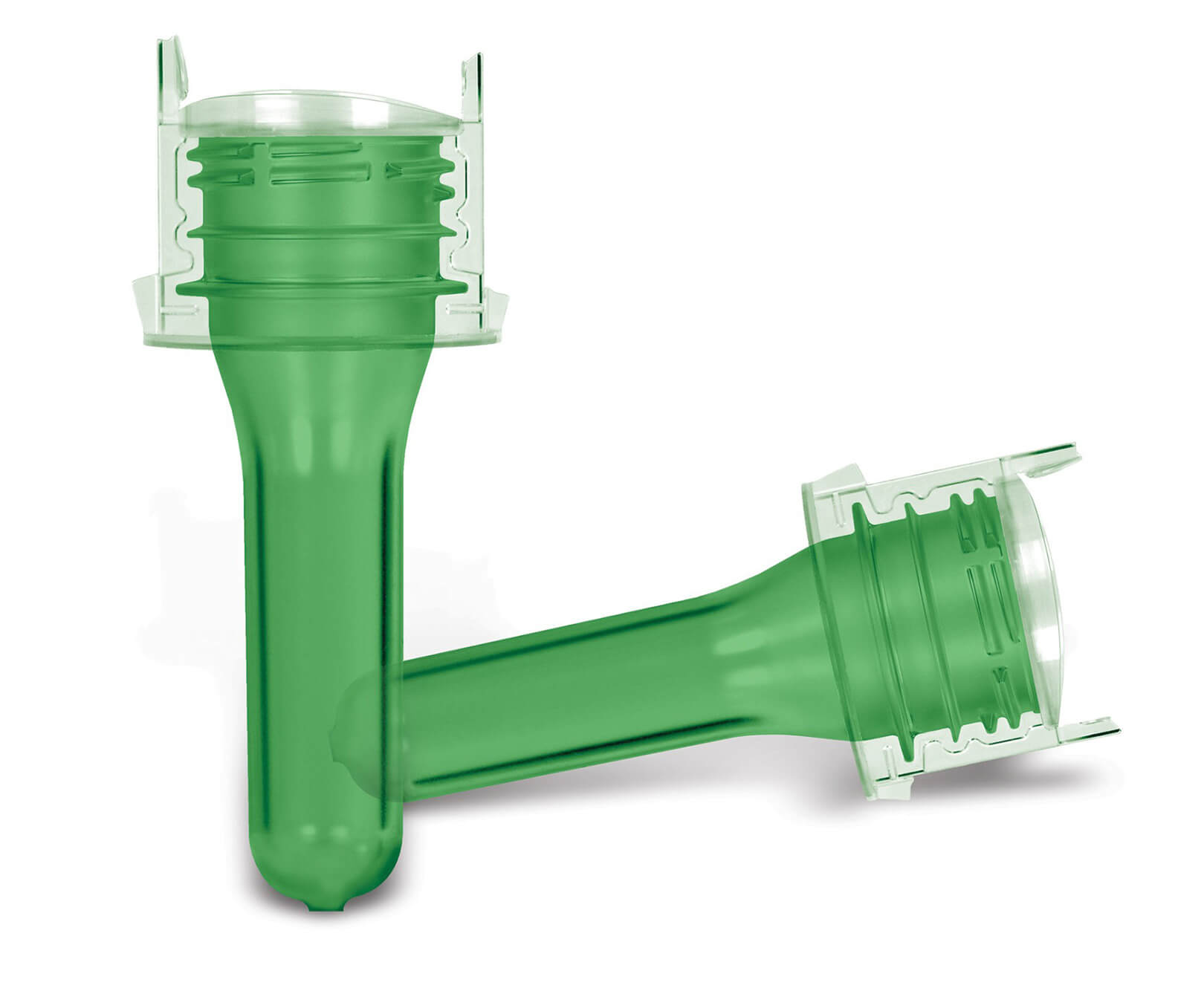
The Self-cleaning process sends an intentional flash of the tool into vents where dust collects. Precisely controlled gaps ensure the flash reaches only the target areas. The overflow PET flash sticks to accumulated dust, and the flashed preforms eject with the dust attached, leaving clean vents behind.
Single-cycle cleaning
Unlike manual cleaning methods requiring hours of downtime, Self-cleaning completes the entire process during one extended machine cycle. This automated approach can be performed as often as needed with virtually no production time penalty.
Why does rPET processing require more frequent mold maintenance?
rPET processing requires more frequent maintenance because recycled material introduces contamination and processing demands that don't exist with virgin PET.
Two factors combine to create increased cleaning requirements:
-
Contamination challenges
- Recycled PET contains residual contaminants, including AA blockers and oxygen scavengers that persist through the recycling process. As demand for rPET exceeds supply, quality can decline and contamination levels can increase. These contaminants cause more outgassing and dust generation, leading to faster deposit buildup in mold vents and runner systems.
-
Production speed impact
- Higher production speeds compound these challenges. Faster cycle times accelerate dust creation. Combined with increased rPET contamination, this creates a critical need for efficient, automated maintenance solutions.
How do vacuum systems compare to advanced hot runner technologies?
Traditional vacuum systems remove dust found inside hot runners but fail to address accumulation in the cold half of the mold. This limitation means the cold half still requires periodic thorough cleaning, causing downtime and lost productivity. Additionally, implementing vacuum systems adds complexity and cost to an already complicated process.
Advanced hot runner technologies like Husky’s Ultra Hot Runners address the root cause of dust creation by preventing plastic leakage rather than simply removing dust after it accumulates. This approach eliminates the need for additional vacuum mechanisms while reducing maintenance downtime and minimizing component failure risk.
How do vacuum systems compare to advanced hot runner technologies?
Vacuum systems only remove dust after it forms inside hot runners, while advanced hot runner technologies prevent that dust from forming in the first place. Traditional vacuum systems also fail to address accumulation in the cold half of the mold, which still requires periodic, thorough cleaning that causes downtime and lost productivity. Vacuum systems add complexity and cost to an already complicated process.
Advanced hot runner technologies, like Husky's Ultra Hot Runners, address the root cause of dust creation by preventing plastic leaks rather than removing dust after it accumulates. This approach eliminates the need for additional vacuum mechanisms, reduces maintenance downtime, and minimizes component failure risk.
What are the benefits of combining Ultra Hot Runner and Self-cleaning technologies?
Combining Ultra Hot Runner and Self-cleaning technologies creates a comprehensive maintenance solution. Together, they minimize both dust generation and cleaning requirements. These technologies don't completely eliminate traditional cleaning needs, but they offer several key benefits:
Reduced labor and downtime
Automated cleaning eliminates the need for operators to enter the machine. It also removes the risk of injuries from repetitive manual cleaning motions. Simplified touch-button operation reduces dependence on skilled maintenance personnel.
Enhanced safety and quality
Self-cleaning prevents damage to mold parts and inserts that can occur during manual cleaning. The consistent, controlled process ensures thorough dust removal without risking component damage or incomplete cleaning that leads to defective parts.
Higher rPET processing capabilities
These integrated technologies enable manufacturers to run higher percentages of rPET more efficiently while maintaining part quality. This supports sustainability goals by making recycled content processing more reliable and cost-effective.
Ready to optimize your plastic injection mold maintenance?
Contact Husky to learn how Ultra Hot Runner and Self-cleaning technologies can reduce your maintenance downtime and enable successful rPET processing. Our proven solutions help manufacturers achieve sustainable production goals while maximizing efficiency and part quality.