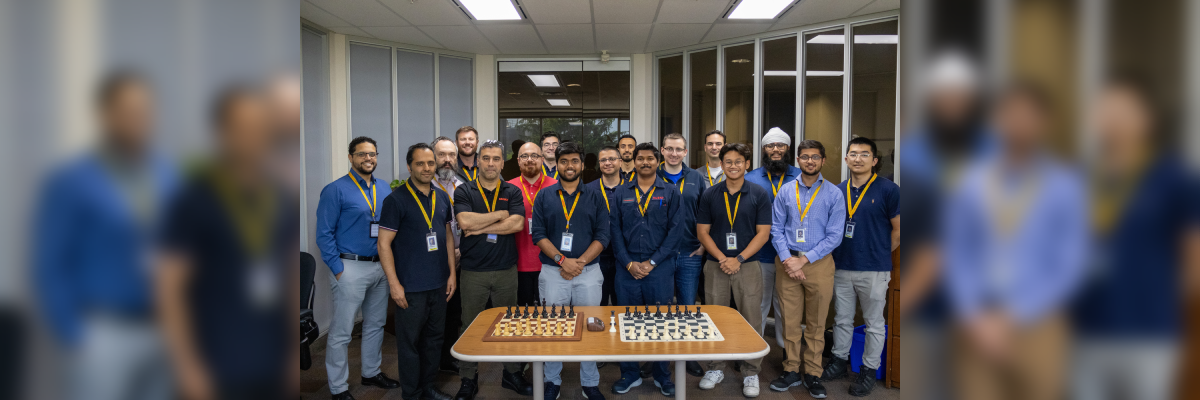
Every Move Counts: Inside the Bolton Chess Club
It started about three years ago with 12 players and two corner tables in the cafeteria. The games took place during lunch, after Mehdi Yahyaei, Engineering Team Leader in Innovation & Sustainability, proposed a Chess tournament during a during a Hyfun Committee meeting focused on employee activities. A long-time Chess enthusiast himself, Mehdi saw it as a simple way to give team members another reason to connect during the day.
The setup was modest, but interest quickly spread beyond the people playing. Team members stopped to watch the games, discuss positioning and moves, and follow the competition between lunch breaks. One early match between Sina Momeni and Javad Samei went down to the final pieces on the board, and the intensity of the game, together with the reaction from spectators, stayed with Mehdi.
“Watching the quality of play and the excitement around that game from team members made me realize that we had some very talented Chess players at Husky and that this initiative could become much more than a casual lunch activity.”
The first tournament was very much a team effort. Mehdi credits Peter Yankov, Navaz Kara, Adam Ulemek, Shayan Ghiasvand, Lori Cui, Javad Samei and Brian Peters and Jack Pearce with helping organize the event, support the final matches and create the momentum that allowed it to continue. Peter also developed the tournament rules and play rules and guidelines, helping give the competition a structure the group could build on.
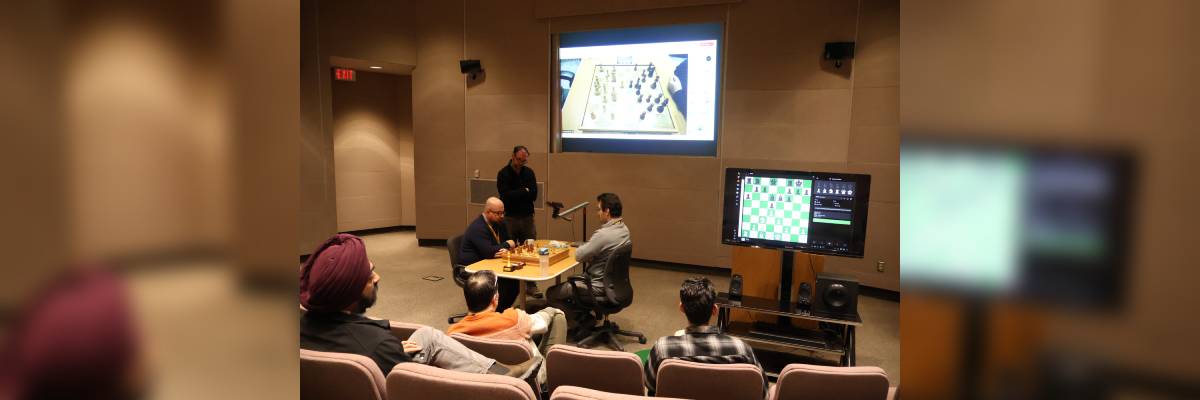
Three years later, those two cafeteria tables have grown into a dedicated Chess room with seven boards, regular activities, beginner training sessions and an annual tournament. The club now has 72 members from Engineering, IT, Molds, Quality and Operations. The most recent tournament brought 44 players together around the boards.
A Different Way to Meet Husky Team Members
The range of people in the club is partly attributed to what allowed it to grow. Some members have played for decades, while others joined the club knowing little more than the names of pieces or how they move. Some enjoy the strategy and competition, others come to learn or play a casual game during lunch, and people who may have very little reason to cross paths during the working day suddenly find themselves sitting opposite each other over the same board.
For Mehdi, those connections are as important as the games themselves. Beginner sessions give newer players the chance to learn from more experienced members, ask questions and build confidence without feeling that they need to arrive already knowing how to play Chess well. That engagement translates well beyond the chess board and into Husky culture.
Over time, he has watched people who first joined to learn the basics develop into serious competitors, with some challenging players who grew into their Chess game and were not as competitive when they began.
“Whether you’re a beginner or an experienced player, there is always someone willing to play a game, share advice or help you learn something new.”
That willingness to share experience and knowledge has become part of the character of the club. Competition still matters, especially during tournament season, but so does what happens before and after a game: learning from another player, talking through a move or helping someone see a strategy they missed.
The Chess Room People Ask About
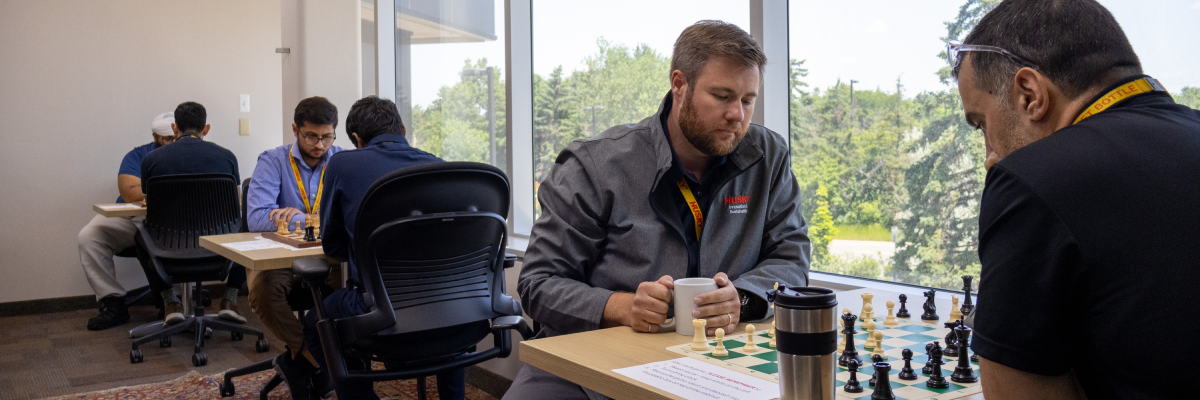
Chess may look quiet from the outside, but there is plenty happening around the boards at Bolton. Players calculate their next moves while spectators follow the game nearby, and once a game is finished, opponents will often sit together and review what happened, discussing missed opportunities and alternative positions and moves. Some of those conversations continue later in the club’s discussion group over Microsoft Teams.
The Chess room itself has also become part of Bolton campus life. Mehdi says Husky team members visiting the Canadian head office from other regions and countries sometimes stop by during their free time, whether to play a game, meet the members or simply see the room they have heard so much about. The Husky Chess Club has become legendary around the company’s global offices.
“What has surprised me most is how the Chess Club has become a destination within the Bolton campus.”
Its must-see status within the campus has grown in another unexpected way. Human Resources now mentions the Chess Club during onboarding and orientation for new hires, even though the organizers never asked for it to be included. A lunch activity created by team members has gradually become one of the ways new Husky team members are introduced to the company they are joining.
The Chess Door is Always Open
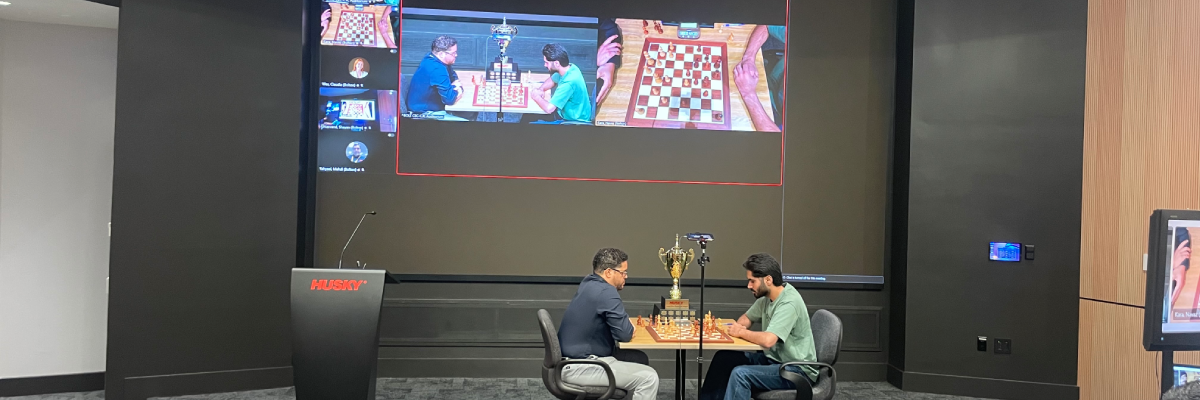
With the 2026 Annual Chess Tournament approaching, the club is hoping to move closer to 100 registered players. For Mehdi, reaching that number would be exciting, but the bigger ambition is to bring more people into the room. He is particularly focused on local team members who might be interested in chess but assume they do not have enough experience to take part.
Many of the club’s current members started with little or no background in Chess, and some of the biggest improvements Mehdi has seen have come from people who were simply willing to give it a try, keep playing, and learn from the people around them.
“Nobody is expected to be an expert. Some of our strongest players started with very little experience, improved, and are now competing confidently against some of the club’s top players.”
Mehdi often says that the hardest position in Chess can often be the first one: walking through the door and deciding to join the club. The experience is well worth it once they do make that first move.
The Bolton Chess Club has come a long way from 12 players gathering around two cafeteria tables. Its growth has come from people continuing to show up, sharing what they know, welcoming new players, and enjoying the challenge of competing against colleagues they may never otherwise have met.
Checkmate.